
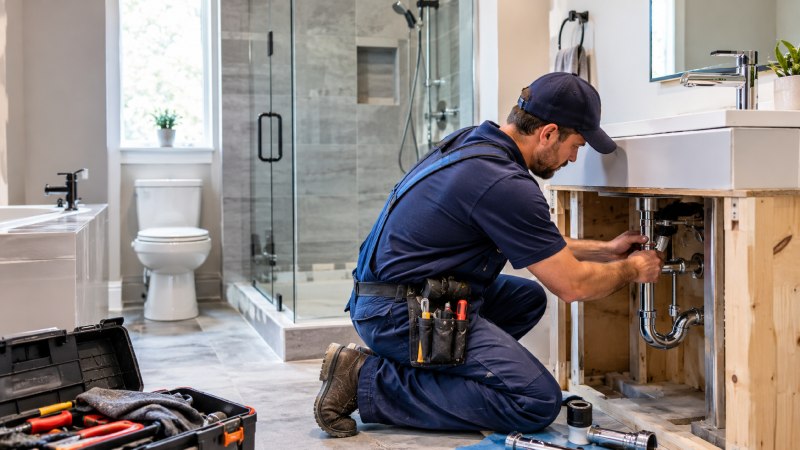
Remodeling a bathroom is one of the most practical ways to improve a home’s comfort, functionality, and overall value. Whether you’re replacing an outdated shower, installing a new vanity, or completely redesigning the space, plumbing is one of the most important parts of the project.
One of the biggest decisions homeowners face is whether to hire a bathroom remodel plumbing contractor or handle the plumbing themselves.
Doing the work yourself may save money upfront, but plumbing mistakes can create expensive problems that aren’t immediately visible. On the other hand, hiring a professional increases initial costs but provides expertise, efficiency, and greater confidence that the installation is done correctly.
Understanding the advantages and disadvantages of both approaches can help homeowners make an informed decision before starting their renovation.
What Does a Bathroom Remodel Plumbing Contractor Do?
A Cincinnati bathroom remodel plumbing contractor specializes in installing, modifying, repairing, and upgrading plumbing systems during bathroom renovations.
Unlike cosmetic remodeling work, bathroom plumbing involves water supply lines, drainage systems, venting, fixture connections, and waterproofing considerations that must work together properly.
A plumbing contractor may handle several aspects of a bathroom renovation, including:
- Installing or relocating sinks, toilets, showers, and bathtubs
- Replacing outdated or damaged water supply lines
- Modifying drain and vent piping
- Installing shower valves and plumbing fixtures
- Addressing existing leaks or drainage problems
- Coordinating plumbing inspections and applicable permits
- Connecting new fixtures to existing plumbing systems
For homeowners planning a bathroom renovation in Northern Kentucky, working with an experienced bathroom remodel plumbing contractor can help ensure the plumbing portion of the project is completed safely and according to applicable requirements.
However, not every bathroom renovation requires extensive professional plumbing work.
Pros of Hiring a Bathroom Remodel Plumbing Contractor
1. Professional Knowledge and Experience
One of the greatest advantages of hiring a plumbing contractor is access to specialized knowledge.
Bathroom plumbing involves more than connecting pipes. Proper installations require an understanding of water pressure, drainage slopes, pipe sizing, venting, and fixture compatibility.
Experienced contractors can recognize potential problems before they become expensive repairs.
For example, a homeowner replacing a shower might discover that the existing drain configuration isn’t compatible with the new shower base. A professional can evaluate the system and recommend appropriate modifications.
This expertise becomes particularly valuable in older homes where plumbing systems may have undergone multiple renovations.
2. Reduced Risk of Leaks and Water Damage
Improper plumbing installations can result in leaks behind walls, beneath flooring, or around fixtures.
These leaks aren’t always immediately noticeable.
Over time, hidden moisture can damage subfloors, drywall, insulation, and structural materials. It may also create conditions that encourage mold growth.
Professional plumbing contractors understand how to make secure connections, properly test installations, and identify potential leak points.
Although hiring a contractor doesn’t eliminate every possible plumbing problem, it can significantly reduce the risks associated with inexperienced installation.
3. Faster Project Completion
Bathroom renovations often involve several trades working together.
Plumbing work may need to be completed before drywall, tile, cabinetry, or flooring can be installed.
An experienced contractor generally understands the sequence of work and can coordinate plumbing installations with the broader remodeling schedule.
Homeowners attempting their first plumbing renovation may spend considerable time researching techniques, purchasing tools, correcting mistakes, and troubleshooting unexpected problems.
Professional installation can help keep the project moving and reduce unnecessary delays.
4. Compliance With Plumbing Codes
Bathroom plumbing installations must comply with applicable building and plumbing codes.
Depending on the location and scope of the project, certain plumbing modifications may require permits or inspections.
Licensed plumbing contractors are familiar with relevant requirements and can help homeowners understand which approvals are necessary.
This is particularly important when relocating toilets, installing new drainage lines, or significantly modifying existing plumbing systems.
Improperly permitted or noncompliant work can create complications during future renovations, inspections, or property transactions.
5. Better Long-Term Plumbing Performance
A bathroom renovation should provide reliable performance for years, not simply look attractive when completed.
Professional contractors consider factors such as fixture compatibility, pipe condition, drainage performance, and future maintenance access.
They may also identify aging plumbing components that should be replaced while walls and floors are already open.
Addressing these issues during renovation can be more practical than making repairs after new finishes have been installed.
Cons of Hiring a Bathroom Remodel Plumbing Contractor
1. Higher Upfront Costs
The most obvious disadvantage of professional plumbing services is the additional expense.
Contractor pricing includes skilled labor, specialized equipment, business expenses, and the time required to complete the work.
For homeowners working with a limited renovation budget, these costs may represent a substantial portion of the overall project.
However, comparing professional installation costs against DIY expenses should include more than labor alone. Tools, materials, permits, potential mistakes, and future repairs also affect the true cost.
2. Scheduling and Availability
Hiring a contractor requires coordinating schedules.
During busy remodeling periods, homeowners may need to wait for an available appointment or arrange plumbing work around other contractors.
This can be frustrating for individuals hoping to complete a bathroom renovation immediately.
Planning ahead and contacting plumbing professionals early in the remodeling process can help minimize scheduling conflicts.
3. Less Direct Control Over the Work
Some homeowners enjoy managing every detail of a renovation.
Hiring a contractor means allowing another professional to perform portions of the project, which may feel less flexible than completing the work independently.
However, homeowners can maintain considerable control by discussing fixture selections, installation preferences, project timelines, and expectations before work begins.
Clear communication is essential.
Pros of DIY Bathroom Remodel Plumbing
1. Potential Labor Cost Savings
The biggest attraction of DIY plumbing is avoiding professional labor charges.
For relatively simple projects, such as replacing certain accessible fixtures or installing compatible faucet components, homeowners with the necessary skills may be able to complete the work at a lower cost.
The savings depend on the project’s complexity, the tools required, and whether unexpected problems arise.
2. Greater Scheduling Flexibility
DIY projects allow homeowners to work according to their own schedules.
Rather than coordinating appointments, homeowners can complete tasks during evenings, weekends, or other available periods.
This flexibility can be especially appealing for smaller bathroom upgrades that don’t require significant plumbing modifications.
3. Personal Satisfaction and Skill Development
Completing home improvement projects can provide a sense of accomplishment.
Homeowners interested in learning practical maintenance skills may enjoy understanding how their bathroom fixtures operate and how basic plumbing components fit together.
These skills can also help with future routine maintenance.
However, learning plumbing techniques should not come at the expense of safety, code compliance, or proper installation.
Cons of DIY Bathroom Remodel Plumbing
1. Greater Potential for Costly Mistakes
Bathroom plumbing systems require precise installation.
An incorrectly connected water supply line, poorly sealed drain, or improperly installed shower valve can create problems that are expensive to correct.
In some cases, mistakes aren’t discovered until the renovation is complete.
Removing newly installed tile, drywall, or flooring to access defective plumbing can cost substantially more than addressing the issue during the original installation.
2. Limited Knowledge of Plumbing Systems
Online tutorials can explain basic plumbing techniques, but they don’t always account for the unique conditions inside a particular home.
Existing pipe materials, drainage configurations, water pressure, and previous renovations can all affect installation requirements.
Without experience, homeowners may struggle to recognize when a seemingly simple project involves a larger plumbing problem.
3. Specialized Tools and Equipment
Certain plumbing installations require equipment that homeowners may not already own.
Depending on the work, specialized pipe-cutting tools, connection equipment, testing devices, and other supplies may be necessary.
Purchasing these tools for a single renovation can reduce the anticipated savings of doing the work independently.
4. Time-Consuming Troubleshooting
Even straightforward plumbing tasks can become complicated.
Corroded connections, inaccessible shutoff valves, deteriorated pipes, and unexpected drainage problems may significantly extend a DIY project.
For households with only one full bathroom, delays can be particularly inconvenient.
5. Permit and Inspection Challenges
DIY plumbing isn’t automatically prohibited, but homeowners must understand local regulations before beginning work.
Some jurisdictions allow qualifying homeowners to perform certain plumbing work on their own residences, while others impose licensing, permitting, or inspection requirements.
In Northern Kentucky, homeowners should verify applicable state and local requirements before modifying plumbing systems.
Assuming that a project doesn’t require approval simply because it’s being completed by the homeowner can create unnecessary complications.
Bathroom Remodel Plumbing Contractor vs. DIY: A Side-by-Side Comparison
| Consideration | Professional Contractor | DIY Plumbing |
|---|---|---|
| Upfront cost | Higher labor expense | Potentially lower |
| Plumbing expertise | Specialized experience | Depends on homeowner skills |
| Completion time | Often faster | May take longer |
| Tools | Professional equipment | May require purchases |
| Code compliance | Familiarity with requirements | Homeowner must verify |
| Risk of mistakes | Generally lower with qualified contractors | Greater for inexperienced homeowners |
| Scheduling | Requires coordination | More flexible |
| Complex modifications | Better suited | Often impractical |
Neither approach is automatically the best choice for every bathroom renovation. The right decision depends on the work involved, the homeowner’s experience, and the consequences of an installation mistake.
Which Bathroom Plumbing Projects Can Homeowners Handle Themselves?
Not every bathroom improvement requires extensive plumbing knowledge.
Some projects may be appropriate for homeowners who are comfortable with basic maintenance and understand the limitations of their abilities.
Examples include replacing a showerhead, cleaning an accessible drain stopper, or changing certain faucet components without modifying existing piping.
Other tasks may be reasonable for experienced DIY homeowners, provided local regulations allow the work.
However, projects involving concealed plumbing, new water supply lines, drainage modifications, or fixture relocation generally warrant professional evaluation.
Bathroom Plumbing Projects Best Left to Professionals
More complicated renovations introduce greater risks.
Relocating a toilet, for example, may require modifications to drainage piping, venting, and floor framing.
Installing a new shower in a different location can involve substantial changes to water supply lines, drains, and waterproofing systems.
Similarly, converting a bathtub into a walk-in shower may require changes beyond simply replacing the visible fixture.
These projects often benefit from professional planning and installation.
How Much Does Bathroom Remodel Plumbing Cost?
Bathroom remodeling plumbing costs vary considerably based on the scope of work.
Replacing an existing faucet in the same location generally costs less than relocating a shower, installing new drain lines, or completely redesigning the bathroom layout.
Several factors influence pricing:
- Project complexity: Moving fixtures generally requires more work than replacing existing ones.
- Pipe condition: Older or damaged plumbing may need repairs or replacement.
- Accessibility: Plumbing located behind finished walls or beneath floors may require additional labor.
- Fixture selection: Certain showers, tubs, and specialty fixtures require more complicated installations.
- Permit requirements: Applicable inspections and approvals can affect project costs.
Homeowners should request an itemized estimate that identifies the plumbing work included, potential additional expenses, and how unexpected problems will be handled.
The lowest initial estimate isn’t necessarily the least expensive long-term option.
Special Considerations for Bathroom Remodeling in Northern Kentucky
Northern Kentucky homeowners may encounter plumbing challenges associated with older housing, seasonal temperature changes, and existing plumbing configurations.
Homes in communities such as Florence, Walton, Independence, and surrounding areas can have very different plumbing systems depending on their age and previous renovations.
Older Plumbing Materials
Some older homes contain galvanized steel supply piping, aging drain lines, or plumbing modifications completed decades ago.
A bathroom renovation creates an opportunity to evaluate these components before installing new finishes.
Replacing deteriorated piping while walls are open may prevent the need for more disruptive repairs later.
Winter Weather and Pipe Protection
Northern Kentucky experiences freezing winter temperatures that can affect plumbing located near exterior walls or poorly insulated spaces.
When remodeling a bathroom, homeowners should consider pipe placement, insulation, and protection from cold air exposure.
An experienced plumbing contractor can help identify vulnerable areas and recommend appropriate improvements.
Existing Drainage Problems
A bathroom renovation may reveal slow drains, recurring clogs, or other drainage issues.
Installing expensive new fixtures without addressing underlying plumbing problems can leave homeowners dealing with the same issues after the remodel.
Professional drain cleaning services in Northern Kentucky may be helpful when blockages or drainage concerns need to be resolved before renovation work continues.
Is a Hybrid DIY and Professional Bathroom Remodel the Best Option?
For many homeowners, a combination of DIY work and professional plumbing installation offers a practical middle ground.
Rather than choosing between completing everything independently or hiring contractors for every task, homeowners can divide responsibilities based on complexity.
For example, a homeowner might handle painting, hardware installation, and other cosmetic improvements while hiring a plumbing contractor to relocate fixtures, install new piping, and connect the shower or bathtub.
This approach can reduce labor expenses without exposing critical plumbing systems to unnecessary risks.
It also allows homeowners to participate directly in the renovation while benefiting from professional expertise where it matters most.
The key is determining responsibilities before work begins so that plumbing, waterproofing, flooring, and finishing tasks occur in the correct sequence.
Questions to Ask Before Hiring a Bathroom Remodel Plumbing Contractor
Choosing the right contractor is just as important as deciding whether professional installation is necessary.
Before hiring someone, homeowners should understand their experience, qualifications, and approach to the project.
Useful questions include:
- Are you properly licensed and insured for the plumbing work required?
- Have you completed bathroom renovations similar to mine?
- Will my project require plumbing permits or inspections?
- What work is included in the written estimate?
- How will unexpected plumbing problems affect the final cost?
- Who will coordinate plumbing work with other remodeling contractors?
- What workmanship warranty or service guarantees do you provide?
A reliable contractor should be willing to explain the proposed work and answer questions without pressuring homeowners into unnecessary upgrades.
Frequently Asked Questions About Bathroom Remodel Plumbing
Is it cheaper to do bathroom plumbing yourself?
DIY bathroom plumbing can be cheaper when the work is simple and the homeowner already has the necessary skills and tools. However, complicated installations may result in additional expenses if mistakes require professional repairs or damage finished surfaces.
Do I need a plumber to remodel my bathroom?
Not necessarily. Cosmetic improvements and certain basic fixture replacements may not require a professional plumber. However, relocating fixtures, changing drainage systems, installing new supply lines, or modifying concealed plumbing generally warrants professional assistance.
Can I move a toilet during a DIY bathroom remodel?
Moving a toilet can involve significant changes to the drainage system, venting, and flooring. Although some homeowners may have the necessary experience, professional installation is generally recommended because improper modifications can cause drainage and sanitation problems.
How long does bathroom remodel plumbing take?
The timeline depends on the project’s complexity. A straightforward fixture replacement may take only a few hours, while extensive plumbing relocation can require multiple workdays and coordination with inspections and other remodeling tasks.
Does bathroom remodeling plumbing require a permit in Northern Kentucky?
Permit requirements depend on the location and scope of work. Major plumbing modifications commonly require permits or inspections, while some minor repairs may be exempt. Homeowners should confirm current requirements with the appropriate Kentucky and local authorities before beginning.
Should I replace old pipes during a bathroom remodel?
Replacing old pipes may be worthwhile if they show corrosion, leaks, restricted flow, or other signs of deterioration. A plumbing contractor can evaluate their condition and help determine whether replacement is justified while the plumbing is accessible.
Final Thoughts: Is Hiring a Bathroom Remodel Plumbing Contractor Worth It?
The decision between hiring a bathroom remodel plumbing contractor and completing the work yourself ultimately comes down to project complexity, experience, budget, and long-term risk.
DIY plumbing can make sense for smaller improvements, particularly when homeowners have the necessary knowledge and aren’t modifying critical plumbing systems.
However, major bathroom renovations involving fixture relocation, new piping, drainage modifications, or concealed plumbing generally benefit from professional installation.
For homeowners in Northern Kentucky, working with an experienced local contractor can also help address concerns involving older plumbing systems, winter weather, and existing drainage problems.
Companies such as Dixon Plumbing & Service provide bathroom remodeling plumbing services for homeowners throughout Northern Kentucky, helping with fixture installations, plumbing modifications, and other renovation-related needs.
Regardless of which approach homeowners choose, the priority should be creating a bathroom that looks good, functions properly, and provides dependable plumbing performance for years to come.