
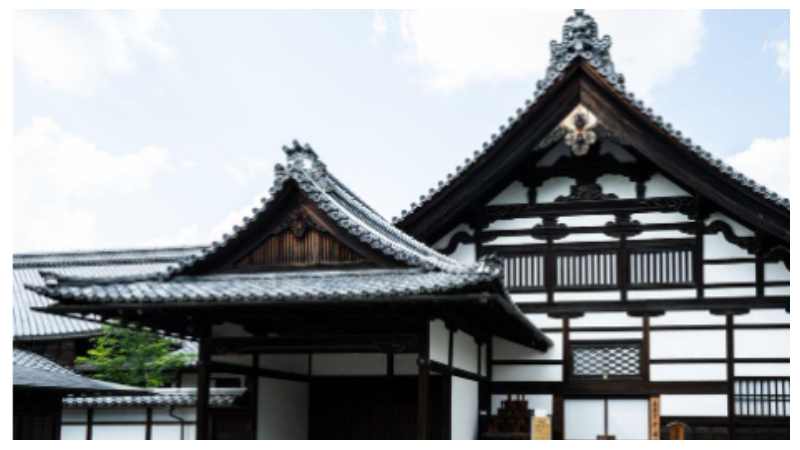
Renowned as a city intertwined with history and culture, Kyoto presents itself as a timeless marvel that unveils its beauty through traditional architecture, serene gardens, and historic temples. Embarking on a full-day Kyoto tour offers a rare glimpse into the soul of Japan, where each corner narrates a different story of its illustrious past.
Stepping Back in Time at Kyoto’s Imperial Palace
Begin your journey at the Kyoto Imperial Palace, the emblematic heart of Japan’s regal history. This majestic residence of Japan’s Imperial Family until the capital moved to Tokyo in 1868 boasts grand architectural details that mirror the opulence of past dynasties. Visitors have the unique opportunity to tour the Imperial Enclosure, marvelling at the Shishinden and Seiryo-den ceremonial halls, which play significant roles during enthronement ceremonies.
The Serenity of the Zen Gardens
A visit to Kyoto would be incomplete without experiencing the tranquillity of its Zen gardens. Each garden serves as a profound expression of Zen philosophy. Ryoanji Temple hosts one of the most celebrated rock gardens, dating back to the 15th century. Its layout, composed of fifteen stones set on white gravel, is a masterpiece by all measures of minimalistic art. Guests are encouraged to immerse themselves in contemplation, often finding a unique, personal interpretation of the garden’s arrangement.
The Majestic Kinkaku-ji
Known colloquially as the Golden Pavilion, Kinkaku-ji is a breathtaking reflection of beauty and tranquillity. Originally built in the late 14th century, the structure is coated in stunning gold leaf that glistens under the sun, mirroring perfectly in the surrounding pond. Kinkaku-ji is a fine representation of the harmonious blend of building and nature, inviting visitors to wander its peaceful grounds and witness the seasonal changes that add layers of depth to its stunning representation.
Traversing History at Nijo Castle
Exploring the illustrious Nijo Castle reveals the historical journey of a shogun’s residence. Built in the early 17th century, this UNESCO World Heritage site presents visitors with intricate woodwork, beautifully painted screens, and the famous “nightingale floors.” These floors, a security feature, chirp like a bird when stepped upon to signal intruders, adding an element of intrigue and authenticity to the castle’s already captivating presence.
Spiritual Reflection at Fushimi Inari Shrine
The iconic Fushimi Inari Shrine provides an insightful glimpse into Shinto spirituality. Known for its thousands of vermilion torii gates, this spiritual site begins at the base of a mountain, with trails leading through scenic wooded areas. The pathways between the gates create an awe-inspiring tunnel effect, offering a meditative experience as guests traverse the trails leading up to the smaller shrines upon the mountainside.
Cultural Reverence at Kiyomizu-dera
Perched on the eastern hills of Kyoto, Kiyomizu-dera Temple is an architectural marvel that provides sweeping views of the city. Famous for its wooden stage that juts out from the main hall, the temple is enveloped by cherry and maple trees, bursting with breathtaking colours every season. Visitors can also engage with various rituals, such as drinking from the Otowa waterfall, believed to grant wishes, or exploring the many smaller pagodas and halls throughout the precinct.
The Philosopher’s Path
For those seeking calm and reflection, the Philosopher’s Path offers a stroll along an enchanting canal lined with cherry trees. This path, once favoured by the philosopher Nishida Kitaro, allows visitors to savour Kyoto’s picturesque scenery. In spring, the cherry blossoms create a canopy of pink, transforming the path into a whimsy-laden avenue.
Artisans at Nishijin Textile Centre
Dive into Kyoto’s rich textile history at the Nishijin Textile Centre. Here, you can witness the traditional art of hand weaving, a craft that has been perfected over several centuries. The centre showcases a vibrant range of kimonos and offers the chance to observe the meticulous craftsmanship involved. The vibrant displays and live demonstrations provide insights into the cultural significance and artistic prowess of Kyoto’s textile artisans.
The Culinary Delights of Nishiki Market
Kyoto’s culinary scene is a sensory festival, where fragrant aromas and vibrant colours entice visitors to sample the wares on offer at Nishiki Market. This bustling market is the perfect place to explore traditional Kyoto delicacies, ranging from freshly prepared sushi and tempura to Kyoto-specific treats such as yatsuhashi. Each stall provides an array of expertly crafted flavours, ensuring a gastronomic adventure through the heart of Kyoto’s food culture.
Kyoto’s Tea Ceremony Tradition
The art of the tea ceremony, or ‘chado’, is a quintessential aspect of Kyoto’s cultural identity. Participating in this ritual unveils layers of tradition, mindfulness, and aesthetics emphasised in Japanese culture. In an intimate tea room, guests are invited to partake in the serene process of matcha preparation, allowing for an appreciation of the nuanced harmony between host and guest, tea and environment.
Exploring Gion, the Geisha District
Kyoto’s historic Gion district brings to life the vivid image of Japan’s bygone era, where the delicate art of the geisha continues to thrive. A stroll through its wooden teahouses and cobblestone streets reveals the subtle elegance of kimonos as geisha and maiko make their evening way to appointments, offering an ethereal glimpse into a world of tradition and elegance.
Unveiling the Artistic Legacy at Kyoto National Museum
The Kyoto National Museum is a repository of Japan’s artistic treasures, providing in-depth insights into the rich tapestry of Japanese art and history. Renowned for hosting extensive exhibitions of artefacts, paintings, and calligraphy, the museum presents a resplendent collection across its vast halls, fostering a deep understanding of Kyoto’s cultural significance through the ages.
This full-day exploration immerses visitors in Kyoto’s historic splendour, revealing the city’s intricate balance between traditional grace and modern-day vibrance. The architectural wonders, spiritual sanctuaries, and rich cultural offerings of this historic city continue to captivate and inspire those who step into its enduring embrace.