
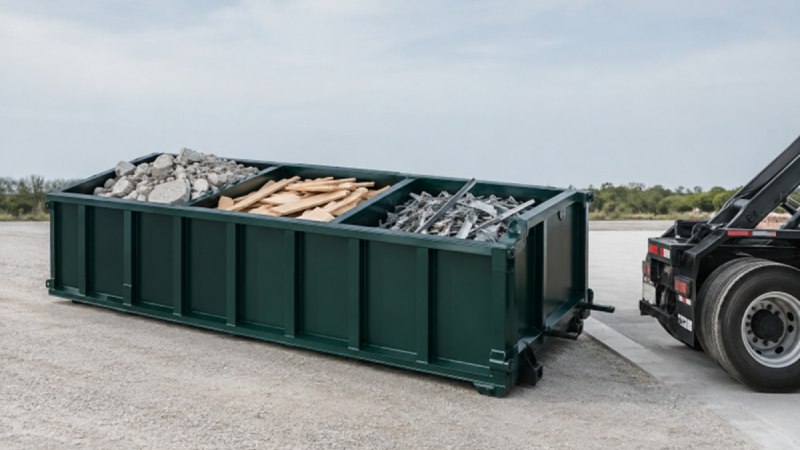
Construction debris can quietly turn into a production problem. A pile of cutoffs beside a walkway, a full container blocking a delivery lane, or loose packaging around a work area can force crews to stop, reroute, and handle the same material more than once. A debris plan helps prevent those interruptions before they affect the schedule. For container support that fits the pace and access needs of your project, contact us today.
Good debris control is not limited to end-of-day sweeping. It is part of material handling, site logistics, safety planning, and trade coordination. When disposal areas are clear, accessible, and matched to the work phase, crews can spend less time moving waste and more time completing assigned work.
Why Debris Becomes a Schedule Problem
Debris creates delays when it occupies space needed for people, equipment, deliveries, or the next trade. Repeated carrying and rehandling also adds work that was not part of the original task. Treating disposal as a production activity gives the superintendent and foremen an opportunity to prevent those problems rather than react to them. Reviewing waste data can also help a team notice patterns such as damaged materials, frequent hauling, or unexpected rework debris.
Build a Debris Plan Before Work Begins
Start with the drawings, site-access plan, construction sequence, and expected material deliveries. Identify the waste likely to appear in each phase, including demolition debris, framing cutoffs, roofing material, cardboard, drywall, metal, and general trash. Then estimate when each stream will increase. Demolition and framing may require frequent removal, while finish work may need smaller, more carefully located disposal points.
Assign one person or role to confirm container orders, monitor capacity, request exchanges, and communicate changes to affected trades. That ownership avoids the common problem of everyone assuming someone else has called for a pickup.
Choose the Right Container Location
A container should be close enough to reduce unnecessary carrying but far enough from entrances, fire lanes, active lift zones, delivery routes, and pedestrian paths. Before placement, check for level ground, overhead clearance, truck turning room, gate access, and the ability to load safely. A poorly placed container can create traffic conflicts and encourage crews to leave debris in informal piles instead.
Match Removal Timing to the Work Schedule
Plan removals around demolition starts, major deliveries, inspections, concrete work, trade handoffs, and other milestones that change site access. Set practical pickup triggers, such as reaching a safe fill level, losing needed staging space, or approaching a high-volume work phase. It may also make sense to arrange removal before a weekend, forecasted severe weather, or a site-layout change.
Every project should also have a backup plan for a missed exchange or an unexpectedly full container. That may include a designated temporary staging area that does not block routes, along with a clear rule against overloading the container.
Separate Materials When It Makes Sense
Separate containers or clearly marked collection areas can work well for clean wood, concrete, metal, cardboard, drywall, and mixed general debris. Sorting can make recycling or weight management easier, but only if the system is simple enough for crews to follow. Use visible labels, straightforward instructions, and convenient locations. A complicated sorting program that slows down active work is less useful than a limited system used consistently.
Keep Hazardous Materials Out of General Waste
Paints, oils, batteries, chemicals, asbestos-containing materials, and other regulated items may require different handling, storage, and disposal procedures than ordinary construction debris. Review the project safety plan, applicable requirements, and disposal rules before work begins. When a worker cannot identify a material, the safest response is to stop, keep it separate, and ask the responsible supervisor or environmental contact.
- Identify the material before disposal.
- Keep it separate from ordinary debris.
- Label the storage area when appropriate.
- Notify the responsible safety or environmental contact.
- Use an approved removal method.
Make Cleanup Part of Each Trade’s Routine
Short cleanup periods at shift changes, before inspections, and at the end of the day can keep small problems from becoming major obstructions. Assign each trade a defined work zone and disposal point, then reinforce expectations with simple signs, color labels, or a site map. This approach supports safer movement and smoother handoffs. Effective, safe, productive jobsite planning recognizes that organized material storage, cleanup, and crew flow should work together.
Use Simple Waste Tracking and Weekly Reviews
Track container exchanges, pickup delays, overloaded containers, common types of debris, and recurring material damage. A basic log, haul ticket file, or project photo record is often enough to spot trends. During weekly project meetings, ask whether containers are still in the right locations, whether upcoming work will increase debris, and whether any routes are being blocked. Foremen and subcontractors are often the first to see problems in the field, so their input matters.
Practical Jobsite Debris Checklist
- Confirm that the container location provides safe access for loading and hauling.
- Check ground conditions, overhead clearance, and delivery-route conflicts.
- Label material streams and review prohibited materials with crews.
- Assign daily cleanup duties by trade or work zone.
- Set a clear pickup trigger and a backup staging plan.
- Record removal details when required by the project or disposal process.
- Inspect the area after every container exchange.
Common Questions
How Often Should Construction Debris Be Removed?
The right frequency depends on the project phase, crew size, available space, material type, weather, and site access. A container does not need to be completely full if it restricts movement, creates an unsafe condition, or prevents the next phase of work.
Where Should a Construction Container Be Placed?
Choose level ground with dependable access for hauling equipment. Keep the container away from active hazards and clear of entrances, fire lanes, work zones, and delivery paths.
Should All Construction Debris Go Into One Container?
Mixed disposal can be practical on smaller or fast-moving jobs. Separate collection may be a better fit when recycling, material weight, contamination control, or project requirements make sorting worthwhile.
What Happens When a Container Fills Unexpectedly?
Do not create an overloaded or unsafe condition. Contact the designated coordinator, protect walkways and access routes, and use the preplanned temporary staging area only if it can be managed safely.
Conclusion
Construction debris is easier to control when it is planned like any other jobsite activity. Clear container locations, practical sorting, timely pickups, daily cleanup, and simple tracking can keep crews moving and reduce avoidable interruptions throughout the project.