Key Takeaways
- A successful home remodel starts with clearly defining the scope, priorities, and goals of the project
- Understanding average remodeling costs helps set realistic expectations and avoid budget surprises
- Breaking down the budget into categories like labor, materials, and contingency funds improves financial control
- Hidden costs are common, so setting aside a contingency fund is essential for avoiding delays and stress
- Prioritizing essential upgrades over cosmetic changes helps ensure safety and functionality come first
- Financing options and professional guidance can help homeowners manage large renovation projects effectively
- Regular expense tracking is critical to staying on budget and avoiding overruns during the remodel process
Heating, ventilation, and air conditioning (HVAC) systems are the backbone of indoor comfort for both homes and businesses. However, even the best systems can experience problems that affect their efficiency and reliability. Knowing what issues can arise and how professional services handle them is essential for keeping your system running smoothly year-round. Often, proper commercial HVAC installation sets the foundation for performance, but ongoing care remains crucial.
From minor annoyances like uneven temperatures to serious concerns like water leaks or electrical failures, HVAC systems face a wide range of challenges. Addressing these issues early through routine inspections and fast repairs not only improves reliability but can also extend the system’s lifespan. Partnering with trained technicians ensures your equipment receives expert attention and that safety standards are met at every step.
Regular maintenance is just as important as professional repairs, helping delay system wear and maximize energy efficiency. With the right approach, even persistent problems can be resolved without major disruptions or high costs.
Inadequate Heating or Cooling
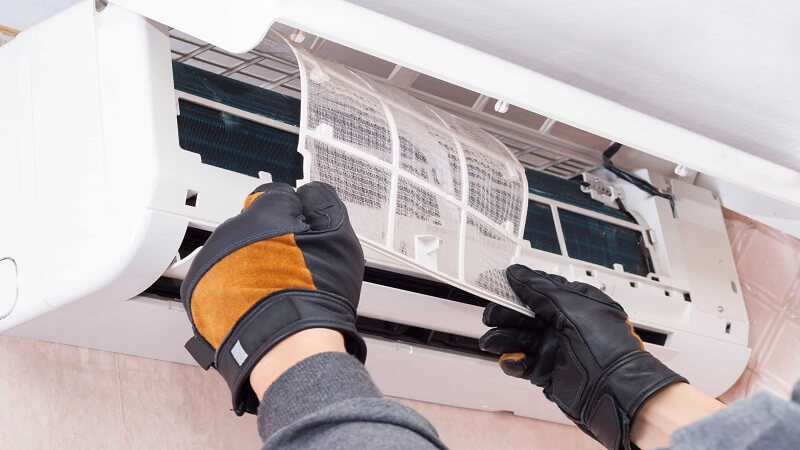
One of the most common concerns is a system’s inability to consistently heat or cool the space. This problem can be triggered by clogged air filters, incorrect thermostat settings, or low refrigerant levels. While homeowners can handle filter changes on their own, persistent performance issues require diagnostics by certified technicians. Experts can recalibrate thermostats, replenish refrigerant, and restore system balance, improving overall indoor comfort.
Poor Airflow and Uneven Temperatures
Experiencing weak airflow or drastic temperature differences between rooms often indicates issues with the ventilation system. Blocked or dirty vents, leaky ducts, and worn fan motors can all contribute. Professionals will thoroughly assess ductwork, clear obstructions, and recommend repairs or cleaning. Ensuring all vents are open and ducts are well-sealed keeps air moving smoothly and at the desired temperature throughout the building.
Strange Noises and Vibrations
Unusual noises, such as rattling, humming, or grinding, may indicate loose parts, misaligned components, or failing motors. Ignoring these signals can cause further damage to the system. Professional technicians conduct detailed inspections to identify the source of the noise, tighten or repair loose components, and replace malfunctioning parts. This not only quiets the system but also prevents costly future failures.
Frequent System Cycling
Short cycling, where the system repeatedly turns on and off, can indicate a mispositioned thermostat, refrigerant leaks, or electrical irregularities. Not only does this behavior wear out internal components faster, but it also spikes energy usage. Experienced service providers analyze control and cooling systems to identify irregularities, recalibrate settings, and address deeper issues to ensure consistent operation and reduce stress on the machinery.
Refrigerant Leaks and Low Cooling Capacity
Refrigerant is a vital substance for any cooling operation. Leaks or insufficient levels significantly reduce efficiency, often leaving rooms inadequately cooled or causing ice to form on the evaporator coils. Professionals have the necessary tools to detect and repair leaks, refill refrigerant to manufacturer specifications, and restore your system to peak performance.
Electrical and Component Failures
Electrical complications, such as tripped circuit breakers or faulty wiring, are serious problems that can halt HVAC operation and present safety hazards. Only licensed professionals should handle these repairs to minimize fire and shock risks. Expert technicians will replace compromised parts, ensure all wiring meets code, and perform safety checks for ongoing protection.
Drainage Issues and Water Leaks
Drainage malfunctions, commonly caused by clogged condensate lines, can create water leaks, leading to mold growth and structural damage. Regularly cleaning drain lines and checking for visible water or signs of mold are simple maintenance steps. Professional teams can also install overflow switches and repair or replace faulty hoses to safeguard the area from water damage and improve system reliability.
High Energy Bills
An unexpected rise in energy bills frequently signals that the HVAC system is under strain or running inefficiently. Causes might include aging equipment, poor insulation, or dirt accumulation on coils and filters. Comprehensive professional inspections can identify the root of the inefficiency. Technicians may recommend sealing ducts, installing programmable thermostats, or upgrading outdated systems to higher-efficiency models, all of which can help reduce energy costs over time.
Final Thoughts
Taking a proactive approach to HVAC care helps property owners avoid unexpected breakdowns and costly emergency repairs. By recognizing common symptoms and seeking timely professional service, you’ll protect your investment, maintain comfort, and enjoy the benefits of energy savings and peace of mind.