
Key Takeaways
- Recognize and address common electrical issues to ensure home safety.
- Implement preventive strategies to avoid future electrical problems.
- Seek professional assistance for complex electrical concerns.
Table of Contents
- Flickering or Dimming Lights
- Frequent Tripping of Circuit Breakers
- Dead Outlets
- High Electric Bills
- Burning Smell from Outlets or Switches
- Overloaded Circuits
- Outdated Wiring
- Electrical Shocks
Electrical issues are a common concern for many homeowners, often disrupting daily routines and posing safety hazards when left unaddressed. Understanding common electrical problems, practicing preventive measures, and scheduling timely maintenance are essential for keeping your home safe and functional. If you’re looking for tailored solutions for household electrical repairs, you can find more here with Fusion Electric, which provides comprehensive services in the Kansas City area. Taking a proactive approach to electrical safety helps extend the life of home systems while giving homeowners greater confidence and peace of mind.
The inconvenience caused by malfunctions such as flickering lights, tripped breakers, or dead outlets should not be underestimated. Timely intervention helps prevent escalation into costly or hazardous situations. Homeowners who prioritize routine inspections and address emerging issues early can significantly reduce their risk of fire, electrical shock, and unexpected expenses.
Many electrical problems begin with small warning signs that, if recognized, can often be managed before they turn critical. Understanding what these symptoms indicate, knowing when to attempt minor fixes, and identifying when to call a professional can make all the difference in effective home management. Make sure your preventive efforts are thorough and reach every room.
Below is a detailed guide on the most common household electrical issues, with practical advice for prevention and safe resolution. Consulting high-quality resources, such as the National Fire Protection Association, can also enhance your knowledge and confidence in handling home electrical systems.
Flickering or Dimming Lights
Flickering or dimming lights often signal deeper issues than just a loose bulb. Homeowners may notice lights waver when certain appliances turn on or at various times of day. Potential causes include loose wiring, overburdened circuits, or aging electrical systems. Try these solutions to limit future occurrences:
- Check that light bulbs are firmly installed and compatible with fixtures.
- Address any damaged or frayed wires immediately.
- Balance the use of high-load appliances across different circuits.
Consistent flickering calls for an inspection by a licensed electrician, as it may indicate more serious problems such as faulty wiring or panel deficiencies. For additional guidance on recognizing complex electrical symptoms, consider visiting the National Fire Protection Association.
Frequent Tripping of Circuit Breakers
Circuit breakers are designed to safeguard your home by automatically cutting power during overloads. However, if you are resetting breakers frequently, it may indicate overuse or existing faults. Frequent tripping usually stems from too many devices on a single circuit, faulty wiring, or ground faults caused by damaged appliances.
- Limit the number of high-wattage appliances on a single circuit.
- Unplug devices not in use to prevent system overload.
- Have your wiring inspected annually for worn insulation or other faults.
If proactive steps do not resolve the tripping, it is time to schedule a comprehensive assessment by an electrical professional who will trace faults and correct hazardous installations.
Dead Outlets
Outlets that stop functioning can interrupt your workflow or leave rooms underpowered. The usual reasons involve tripped Ground Fault Circuit Interrupters (GFCIs), loose wiring, or worn-out outlets. First, locate and test any GFCI outlets by pressing the reset button. If power is not restored, the next step is to turn off power to the outlet and check for visible signs of damage or loose wires behind the faceplate.
- Always test the outlet with another device before cracking into repairs.
- If multiple dead outlets are present, the problem may be in the wiring network and demand expert attention.
When outlets remain nonfunctional after basic troubleshooting, do not delay professional diagnosis to avoid risks of fire or electrical shock.
High Electric Bills
An unanticipated spike in electricity costs is another signal of possible electrical inefficiency. Key contributors include old appliances, insufficient home insulation, and phantom loads from electronics left plugged in when not in use. Immediate steps should focus on unplugging unused devices and transitioning to Energy Star-rated appliances for everyday needs.
- Install programmable thermostats for improved heating and cooling efficiency.
- Seal drafty windows and doors to prevent energy loss.
- Conduct an energy audit to identify high-consumption appliances or areas.
Consulting resources like the U.S. Department of Energy can help tailor efficiency upgrades and save on utility bills over time.
Burning Smell from Outlets or Switches
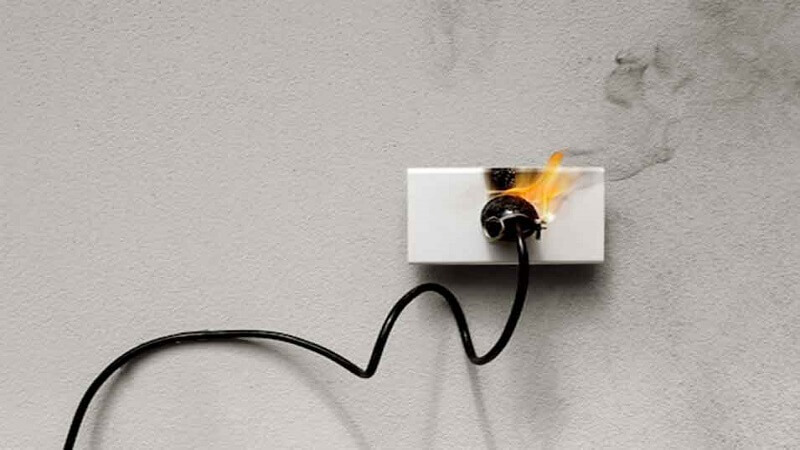
A burning odor coming from outlets or switches is an urgent safety warning. It suggests dangerous overheating or defective wiring. Do not ignore this sign. Immediately shut off the power at the breaker and seek professional help. Common causes include:
- Overheating from drawing too much power.
- Cracked or worn-out outlet covers exposing live wires.
- Outlets or switches with internal arcing or faulty contact points.
Swift response is critical to prevent electrical fires and protect your property. No outlet or switch emitting a burning smell should ever be left in service until repaired and tested by a qualified expert.
Overloaded Circuits
Crowding too many electronics onto a single outlet or extension cord is a leading cause of both tripped breakers and residential fires. To safeguard against overloading:
- Use surge-protected power strips with built-in circuit breakers as a temporary solution.
- Distribute high-usage devices between different outlets and circuits.
- Keep track of what devices are plugged into each circuit, especially in kitchens and home offices.
Regularly updating your home’s circuit maps and monitoring which areas experience the highest demand makes managing circuit loads simple and keeps the home safe.
Outdated Wiring
Older homes may still rely on wiring that does not support modern consumption patterns, dramatically increasing the risk of fires or equipment failure. Warning signs include frequent tripping of circuit breakers, discolored or unusually warm outlets, or persistent flickering lights. It is best to:
- Have your electrical system evaluated every few years, especially if your home is several decades old.
- Budget for a full or partial rewiring if outdated materials, such as knob-and-tube wiring or aluminum conductors, remain in use.
Modernizing the wiring not only enhances safety but also increases the home’s overall market value.
Electrical Shocks
Receiving a brief shock when touching appliances or switches is more than a minor discomfort; it can suggest improper grounding or hidden wiring faults. Protect your family and guests by:
- Ensuring appliances have three-pronged plugs and grounded outlets.
- Replace damaged appliance cords or outdated outlets.
- Having an electrician investigate unexplained shocks or tingling sensations to identify any hidden hazards.
Promptly addressing the root cause of shocks is essential for household safety and peace of mind.
Homeowners who stay alert to the warning signs of electrical problems and act swiftly are not only protecting their properties but also ensuring the safety of everyone inside. Remember, regular inspections and proactive repairs by a licensed professional are the best ways to keep your electrical system reliable. Informed vigilance about the most common electrical concerns pays significant dividends in the long run.