
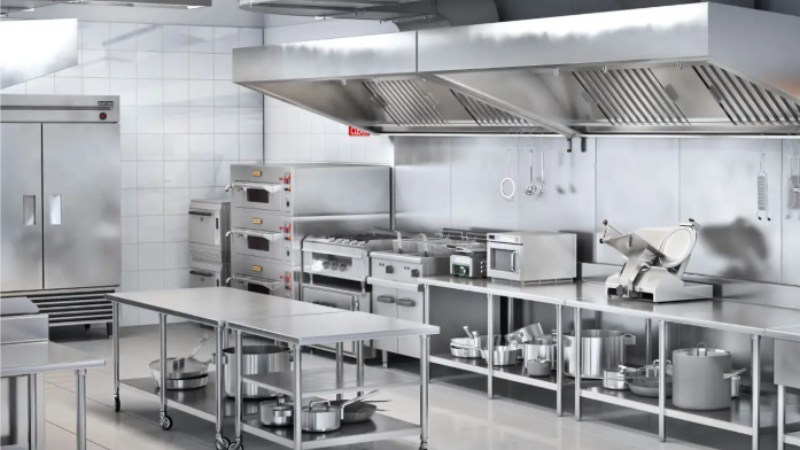
Opening a small restaurant, café, bakery, food truck, or catering business often begins with a strong menu and a clear concept. Daily success, however, depends just as much on choosing the right commercial kitchen equipment. The goal is not to purchase every appliance available. It is to create a practical workspace where staff can prepare food safely, serve customers quickly, and control operating costs.
A thoughtful professional kitchen setup reduces wasted movement, equipment problems, food spoilage, and cleaning delays. It also makes staff training easier because every tool has a clear purpose and location. Whether you are launching a new business or improving an existing kitchen, focus on equipment that supports your menu, service volume, and available space. The following sections explain the essential categories and planning decisions that can improve restaurant efficiency without unnecessary spending.
Plan Around Your Menu and Workflow
Before buying appliances or restaurant supplies, map how food will move through the kitchen. Consider receiving, storage, washing, preparation, cooking, plating, service, and cleaning.
A burger shop may need a griddle, fryer, refrigerated prep table, and warming station. A bakery will prioritize mixers, ovens, cooling racks, and ingredient storage. A café may require an espresso machine, blender, under-counter refrigerator, and compact dishwasher.
This menu-first approach prevents purchases that do not support the business model. It also helps estimate utility, ventilation, staffing, and space requirements.
Before ordering equipment, ask:
- Which dishes will be prepared most often?
- What is the busiest expected service period?
- Which preparation tasks may cause delays?
- How much cold, frozen, and dry storage is needed?
- Can staff clean and maintain each item easily?
Clear answers reduce costly layout changes later.
Core Cooking Equipment for a Professional Kitchen Setup
Cooking appliances usually form the center of a commercial kitchen. Small businesses should prioritize versatile machines that support several menu items.
Ranges and Ovens
A commercial range is useful for sauces, soups, pasta, rice, and pan-cooked dishes. Some models combine burners, ovens, and griddles, helping smaller kitchens save space.
Convection ovens circulate hot air for even roasting, baking, reheating, and batch preparation. Capacity should match realistic demand. Oversized commercial kitchen equipment can consume more energy, occupy valuable space, and increase maintenance costs.
Griddles, Fryers, and Charbroilers
Griddles suit breakfast menus, burgers, sandwiches, and vegetables. Fryers are essential for fries, chicken, seafood, and snacks. Charbroilers add a grilled flavor and appearance.
Match each unit to expected order volume. A small café may need one fryer, while a busy takeaway business may require separate fryers to prevent flavor transfer and service delays.
Warming Equipment
Heat lamps, holding cabinets, and warming drawers help maintain serving temperature during busy periods. Used correctly, this food service equipment keeps the kitchen and front-of-house team working at the same pace.
Refrigeration and Food Storage
Reliable refrigeration protects ingredients, supports food safety, and reduces waste. Reach-in refrigerators suit general storage, while under-counter units provide quick access near preparation stations. Refrigerated prep tables work well for pizza shops, sandwich bars, and salad counters.
Choose refrigeration by capacity, dimensions, energy use, cleaning access, and local service availability.
Good kitchen organization also requires clear separation between raw ingredients, cooked food, allergens, and ready-to-serve items. Labels and dated containers make stock rotation easier and help prevent spoilage.
Business owners comparing categories can review available commercial kitchen equipment before creating a final purchasing list.
Preparation Tools That Save Time
Preparation can consume much of the working day. The right tools reduce repetitive labor and improve portion consistency.
Food processors can slice, shred, chop, and mix ingredients quickly. Commercial mixers support dough, batter, sauces, and fillings. Slicers help businesses preparing meat, cheese, bread, or vegetables in volume.
Useful restaurant supplies include:
- Stainless steel preparation tables
- Quality knives and sharpening tools
- Color-coded cutting boards
- Digital scales and measuring jugs
- Mixing bowls and food-safe containers
- Portion scoops, ladles, and tongs
- Sheet pans and cooling racks
Even simple tools can improve restaurant efficiency. Keeping frequently used utensils beside the correct workstation prevents staff from repeatedly crossing the kitchen during service.
Dishwashing, Cleaning, and Sanitation
A kitchen cannot operate safely without an effective cleaning system. Dishwashing capacity should match the number of plates, pans, utensils, and containers used during peak hours.
A small café may use an under-counter dishwasher, while a busier restaurant may need a pass-through unit. Separate sinks may also be required for equipment, food, and handwashing.
Essential cleaning items include drying racks, waste bins, brushes, cloths, floor-cleaning tools, and secure chemical storage. Keep cleaning products away from food preparation areas.
Strong kitchen organization reduces contamination risks and speeds up closing routines. Staff should also follow clear schedules for deep-cleaning fryers, ovens, refrigerators, exhaust systems, and ice machines.
Ventilation and Fire Safety
Cooking creates heat, smoke, grease, steam, and odors. Proper ventilation protects air quality, staff comfort, and building safety.
Hoods and exhaust fans must suit the appliances beneath them. Grease-heavy cooking usually needs stronger extraction than light-duty equipment. Fire suppression systems, extinguishers, shutoff controls, and emergency exits must meet local requirements.
These safety items should never be treated as optional restaurant supplies. Qualified professionals should handle installation and inspection. Owners should confirm health, fire, building, and utility rules before finalizing a professional kitchen setup.
Smallwares and Serving Supplies
Large appliances receive the most attention, but smallwares support almost every kitchen task. A restaurant may own an excellent oven and still struggle without enough pans, containers, tongs, trays, or serving tools.
Create a list for each menu item and service stage, including preparation, cooking, plating, takeaway, and cleaning.
Purchase enough items to cover peak service, washing time, and normal breakage. Avoid filling shelves with rarely used tools. Balanced inventory improves kitchen organization and protects working space.
Improve Restaurant Efficiency in a Small Space
A small kitchen can perform well when the layout supports natural movement. Arrange stations according to the order of tasks rather than simply placing equipment wherever it fits.
Keep cold preparation near refrigeration. Place plating areas close to the service counter. Store cleaning materials near the washing zone but away from ingredients. Wall-mounted shelves can free counter space, while mobile stands make the layout more flexible.
Restaurant efficiency also improves when staff follow standard recipes, portion guides, preparation lists, opening checklists, and closing routines. Equipment should support these systems rather than create extra steps.
New, Used, or Refurbished Equipment?
New equipment usually includes a warranty and updated safety features. Used equipment may lower startup costs, but its condition can be difficult to confirm.
Refurbished commercial kitchen equipment can offer a practical middle option when a reliable supplier has inspected, repaired, and tested it.
Before buying used equipment, check its age, parts availability, utility requirements, condition, service history, and warranty. Stainless steel tables and shelving are often lower-risk used purchases than older refrigeration, gas, or electrical appliances.
Avoid buying critical equipment only because the price is low. A breakdown during a busy service can cost more than the original saving.
Frequently Asked Questions
What equipment does a small restaurant need first?
Most small restaurants need cooking appliances, refrigeration, preparation surfaces, storage, dishwashing facilities, ventilation, and basic smallwares. The final list should follow the menu, expected order volume, and available space.
How much should a business spend on a professional kitchen setup?
Costs depend on kitchen size, menu, equipment condition, and local installation requirements. Separate the budget into equipment, delivery, utility connections, ventilation, permits, and maintenance reserves.
Is used food service equipment worth buying?
It can be worthwhile when the item has been professionally inspected and replacement parts are available. Check performance carefully, especially for refrigeration, gas appliances, and electrical equipment.
How can a small kitchen improve workflow?
Create clear zones for storage, preparation, cooking, plating, and cleaning. Keep frequently used tools near each station, label ingredients, and review service bottlenecks after busy shifts.
What Is the Key to Effective Kitchen Organization?
Give ingredients, tools, waste, and cleaning materials consistent locations. Staff should be able to find, use, clean, and return each item without interrupting service.
Conclusion
Choosing the right commercial kitchen equipment is not about building the largest or most expensive kitchen. It is about creating a reliable system that fits the menu, team, service volume, and available space. Start with essential cooking, refrigeration, preparation, washing, ventilation, and storage needs. Add specialized tools only when they solve a clear operational problem.
A practical professional kitchen setup supports food safety, consistent quality, faster service, and easier staff training. Thoughtful kitchen organization also reduces wasted time and protects valuable floor space. By comparing equipment carefully, planning for maintenance, and arranging the layout around daily workflow, small restaurants and food businesses can improve restaurant efficiency while keeping startup and operating costs under control.