
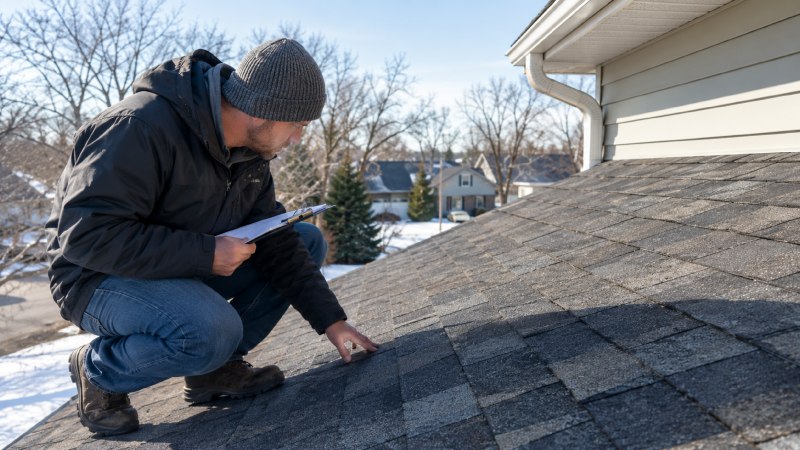
In Rochester, Minnesota, a roof has to handle far more than an occasional rainy day. Snow accumulation, thawing periods, wind, hail, falling branches, and autumn leaf buildup can each create a different maintenance concern. A seasonal routine helps homeowners and property managers spot changes early, document storm damage, and make safer decisions before a small opening becomes an interior water problem.
For residents comparing roofing contractors Rochester MN, Above All Roofing Of Rochester is a locally owned company serving Rochester and surrounding Minnesota communities with residential and commercial roofing, repairs, inspections, storm and hail damage work, snow removal, and preventive maintenance. Its service focus reflects why local knowledge matters: a practical roof plan should account for the area’s changing weather, attic conditions, drainage paths, and the building’s specific condition.
Why Rochester Roofs Face Seasonal Stress
Seasonal temperature swings can test shingles, exposed sealants, roof edges, flashing, and gutters. A roof may look acceptable from the yard, even while moisture is entering through a vent, chimney, valley, or a lifted shingle. For example, one loose shingle may not leak immediately, but wind can raise it further, rain can reach the layer beneath it, and freezing weather can worsen the opening over time.
The roof and attic should be viewed as connected parts of one system. Insulation and ventilation affect attic temperature and moisture, while gutters and downspouts direct water away from exterior walls and the foundation. A problem in one area can make another area harder to manage.
Winter Roof Checklist: Snow, Ice, and Ice Dams
Winter roof care primarily focuses on safety, drainage, and early detection. Check the roof from the ground after a major snowfall, especially when the snow appears unusually uneven or when ice builds up along the eaves. Icicles can indicate that melting water is reaching the roof edge, and they can also create a falling hazard near doors and walkways.
- Watch for new ceiling stains or damp upper-wall areas.
- Look for ice buildup at gutters, downspouts, and roof edges.
- Keep attic insulation and ventilation on the inspection list.
- Do not climb onto an icy roof or chop at ice with sharp tools.
- Use a qualified professional when snow or ice removal is necessary.
As temperatures rise, the City of Rochester advises residents to keep drainage paths clear during the spring thaw. That guidance applies around the property as well as at the roofline, where backed-up gutters can send water where it does not belong.
Spring Inspection After Snowmelt
Spring is a sensible time to look for issues that were hidden by snow. Start at ground level, then inspect the attic on a dry day with a flashlight. Focus on changes rather than trying to diagnose every detail yourself.
- Check for cracked, curled, missing, or visibly worn shingles.
- Look closely at flashing around chimneys, vents, skylights, and valleys.
- Clear gutters and note excessive shingle granules, sagging sections, or loose fasteners.
- Look in the attic for damp insulation, water marks, darkened decking, or musty odors.
- Inspect fascia and soffits for peeling paint, rot, or water staining.
Roof drainage and foundation drainage are separate systems, but both matter during snowmelt. Downspouts should carry runoff away from the building, while roof components should keep water from entering the attic and wall assemblies.
Summer Storm Damage From Hail and Wind
Summer thunderstorms can leave damage that is easy to miss. Wind may lift or crease shingles, hail can mark roofing surfaces and metal vents, and branches or airborne debris can damage flashing, gutters, or shingles. After a storm, inspect from the ground first, photograph visible concerns, and check indoors for fresh drips or stains.
What To Do After a Storm
- Check for fallen limbs, displaced gutters, and visible debris without walking on the roof.
- Photograph damage from several angles before cleanup, when it is safe to do so.
- Place a container below an active interior drip and protect nearby belongings.
- Review the insurance policy information to determine if the event may be covered.
- Arrange an inspection if damage is suspected but not visible from the ground.
The September 2, 2026, storm in the Rochester, Minnesota area caused significant tree damage, and Olmsted County later declared a local emergency related to the event’s public damage and recovery needs. The county’s report on the storm response is a reminder that branches and wind-driven debris can affect a roof even when most shingles still appear intact.
Fall Preparation Before Freezing Weather
Fall is the best time to remove avoidable problems before snow and ice arrive. Clean leaves from gutters and downspouts, trim branches that overhang the roof, and check that downspout extensions direct water away from the foundation. Replace damaged shingles, examine visible gaps around roof penetrations, and address loose gutter sections before freezing temperatures complicate the work.
Roof Warning Signs Homeowners Should Watch
- Brown or yellow stains on ceilings or upper walls.
- Peeling paint near the roofline.
- Musty odors or damp insulation in the attic.
- Granules are collecting in gutters.
- Curled, cracked, missing, or uneven shingles.
- Daylight visible through the attic roof deck.
- Water near vent pipes, chimneys, or skylights.
- Gutters are pulling away from the fascia.
When To Repair, Replace, or Monitor a Roof
A repair may be appropriate when damage is limited, the source is identifiable, and the surrounding roof remains in sound condition. Replacement may be worth discussing when leaks occur in multiple areas, shingles are failing across the roof, storm damage recurs, or the roof deck shows evidence of long-term moisture exposure. Monitoring can be reasonable for a minor, stable condition, but it should include dated photos and follow-up checks.
How To Choose Local Roofing Help in Rochester
Ask whether an inspection includes the attic, flashing, ventilation, gutters, and drainage details. Request photos of findings, a written scope of work, proof of insurance, warranty information, and clarification about who will perform the work. Before signing, make sure the estimate explains cleanup, weather delays, material choices, and how unexpected damage will be handled.
Rochester, Minnesota, roofs face a new combination of demands every season. Consistent visual checks, clean gutters, safe snow awareness, and prompt attention after storms can help protect the roof and the rest of the property. Inspect early, document changes, and address small concerns before they become harder to manage.