
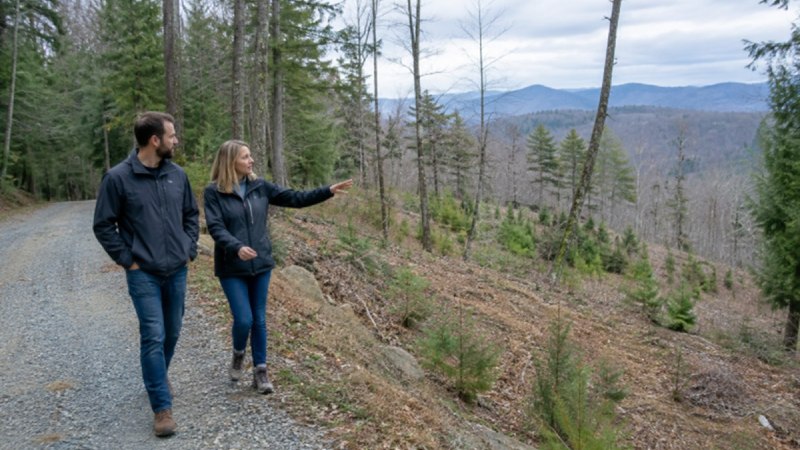
Buying in North Georgia means comparing more than square footage and asking price. In the Blue Ridge area, the right property depends on road access, slope, utilities, upkeep, and how often you expect to use it. Buyers who want a local starting point can consult Blue Ridge GA real estate experts Georgia Real Estate Company. Presented under the brand label None Found, the site focuses on North Georgia mountain property and is relevant because its local property focus can help buyers evaluate options around Blue Ridge, Mineral Bluff, Morganton, Epworth, McCaysville, and nearby Copperhill, Tennessee.
A wide mountain view can be memorable, but a practical purchase also needs dependable access, systems that suit the home, and ownership costs that fit the budget. The best choice is usually the one that supports your daily needs and long-term plans, not simply the listing with the most dramatic photos.
Compare The Main Property Types
“Mountain property” is a broad label. A finished residence, a rustic cabin, and an undeveloped tract should not be judged by the same standards. The Blue Ridge Mountains extend into Georgia, and the region’s changing elevation and terrain make site-specific review especially important.
Mountain Home
A conventional mountain home may be the most direct path to full-time or frequent use. It can offer established systems, a more familiar layout, and easier move-in planning. Still, inspect the roof, decks, crawl space, retaining features, and exterior finishes closely, particularly where trees and moisture affect the property.
Cabin
Cabins can suit weekend escapes and vacation use, but character should not replace inspection. Older cabins may have aging plumbing, wood decks, heating equipment, or limited storage. Ask whether the layout works in every season, including rainy weekends, colder weather, and visits with family or guests.
Vacant Land
Land gives buyers flexibility to shape a future home, but it also creates the longest path from contract to occupancy. Before assuming a lot is ready to build on, examine the usable building area, driveway feasibility, water source, septic suitability, utility availability, and the cost of site work.
Start With Location And Access
Distance on a map is only part of the question of location. A property may be near Blue Ridge in straight-line terms but take much longer to reach because of narrow roads, steep grades, or private lanes. Confirm the route to groceries, medical care, fuel, and everyday services.
- Determine whether roads and driveways are paved, gravel, steep, narrow, or shared.
- Ask who maintains private roads and whether there are regular fees.
- Check whether delivery vehicles, moving trucks, and emergency responders can reasonably access the site.
- Visit at more than one time of day and, when possible, after rain.
A bright afternoon can hide drainage problems, poor nighttime visibility, or the practical challenge of turning into a steep driveway. The surrounding road can be as important to daily comfort as the home itself.
Review Land And Building Conditions
Mountain terrain can provide privacy and scenery, but it can also require careful water management. Walk the property beyond the deck or cleared yard. Look for erosion, standing water, exposed roots, leaning trees, retaining walls, culverts, and drainage paths near the structure.
For vacant land, confirm boundary lines, recorded easements, and the locations where a home, septic system, driveway, and utility connections could realistically fit. A large parcel may include slopes, wooded areas, or stream buffers that reduce the amount of practical usable space.
Check Utilities And Internet
Remote and semi-rural properties may use systems that differ from an in-town home. Confirm whether the water comes from a public connection, a private well, or a shared system. Review septic records, confirm that the system matches the intended bedroom count, and determine which heating fuel and equipment the property uses.
Test mobile reception and internet service both indoors and outdoors. If remote work is part of the plan, verify the availability of providers and the actual service at the address before the inspection period ends. Also ask about electrical service, backup-power options, and past outage experiences.
Calculate Full Ownership Costs
The sale price is only one part of a mountain-property budget. A practical planning formula is:
Total Ownership Cost = Mortgage + Taxes + Insurance + Utilities + Maintenance + Travel + Reserve Fund
Budget for items such as gravel and driveway repairs, tree work, exterior staining, roof and deck maintenance, well testing, septic service, heating fuel, and private-road or association fees. Obtain insurance quotes before a contingency deadline, since location, access, and construction details can affect availability and cost.
Broader housing reports can offer context, but they are not a forecast for every mountain community. For example, Atlanta-area housing market timing signals may encourage buyer patience, while local inventory, condition, and access still determine the value of an individual North Georgia property.
Match The Property To Your Plans
Personal use and rental use can lead to different priorities. For a private retreat, emphasize comfort, storage, privacy, year-round access, and a layout that fits your household. For a possible short-term rental, confirm county, city, neighborhood, and association rules before assuming rentals are permitted.
Also account for parking, trash handling, cleaning, furnishings, repairs, guest communication, and slow periods. Rental income is never guaranteed, so the property should remain financially comfortable if bookings do not meet expectations.
Complete Due Diligence Before Closing
Due diligence is the time to confirm facts, not just identify cosmetic flaws. Order a complete home inspection and pay close attention to the roof, foundation, crawl space, decks, retaining walls, HVAC equipment, water quality, well components, and septic system.
Review the survey, title work, easements, access rights, zoning, permits, restrictions, and association documents. If possible, revisit during rain or after a weather event. Local knowledge is useful when it is paired with written records, qualified inspections, and direct verification.
Final Mountain Property Checklist
- ☐ Road access and driveway conditions work for expected seasons and vehicles.
- ☐ Water, septic, power, heating, mobile service, and internet are confirmed.
- ☐ The structure and land have been professionally evaluated.
- ☐ Slope, drainage, erosion, trees, boundaries, and easements have been reviewed.
- ☐ Taxes, insurance, maintenance, travel, and reserve costs fit the budget.
- ☐ Rental, zoning, permit, and association rules match the intended use.
The best North Georgia mountain property is not always the least expensive option or the one with the widest view. It is the property that fits your access needs, maintenance tolerance, budget, and plans for enjoying the mountains over time.