
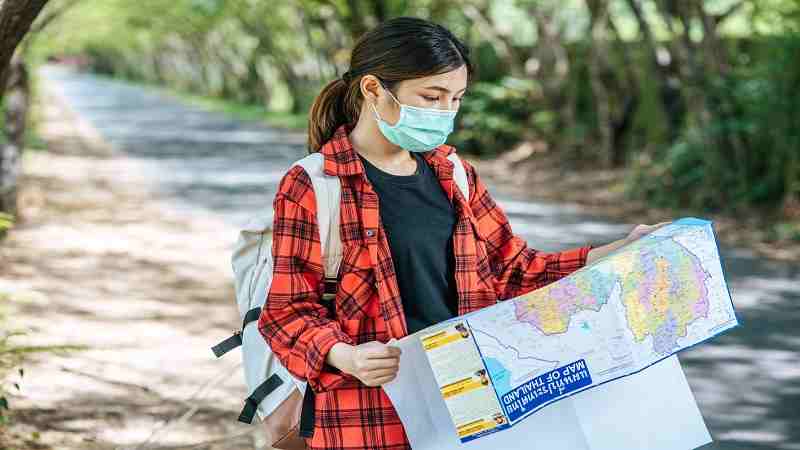
Traveling to new destinations can be exciting, but it often comes with challenges such as finding routes, understanding locations, and planning journeys efficiently. Maps have always played a vital role in travel, evolving from paper-based charts to advanced digital navigation tools. Modern map guides are designed to help travelers make informed decisions, save time, and explore destinations with confidence. This article explains the concept, purpose, and benefits of structured map guides, focusing on how travelers can use them effectively for better planning and navigation.
Understanding the Importance of Map Guides in Travel
Map guides are essential tools for travelers, explorers, and even everyday commuters. They provide visual representations of locations, routes, landmarks, and geographical features. Whether navigating a city or exploring remote areas, map guides help users understand their surroundings.
In travel planning, maps are not just about directions. They also help identify nearby attractions, accommodation areas, transportation hubs, and emergency services. By using reliable map guides, travelers can reduce uncertainty and enjoy smoother journeys.
What Are Structured Travel Map Guides?
Structured travel map guides combine geographical data with practical travel information. These guides often include clearly marked routes, symbols, legends, and categorized locations to make navigation easier. Unlike basic maps, they are designed specifically for travelers who need clarity and accuracy.
Such guides may highlight walking paths, driving routes, public transport lines, and tourist-friendly zones. When used properly, they allow travelers to plan daily itineraries and adjust routes based on time, distance, or preference.
Key Features of Modern Map Guides
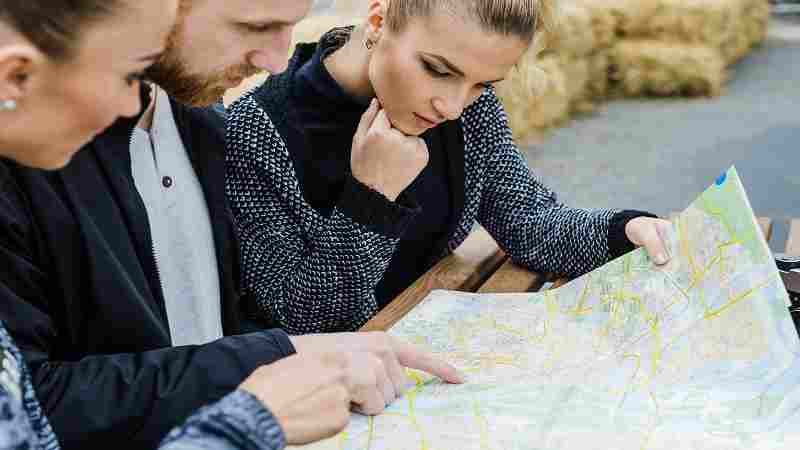
Modern map guides come with several useful features that enhance usability and understanding. Some of the most important features include:
Clear Visual Layout
A well-designed map guide uses colors, symbols, and labels that are easy to read. Clear layouts prevent confusion and help users quickly identify important locations.
Route Optimization
Many map guides focus on efficient routes, helping travelers choose paths that save time or avoid traffic. This is especially useful in busy cities or unfamiliar regions.
Location Categorization
Landmarks, restaurants, transport stations, and public facilities are often grouped into categories. This makes it easier for travelers to locate what they need without searching extensively.
Scalable Detail Levels
Some guides allow users to view locations at different levels of detail. This is useful when switching between city-wide navigation and street-level exploration.
Benefits of Using Map Guides While Traveling
Using map guides offers multiple advantages that improve the overall travel experience. Below are some key benefits:
Improved Navigation Confidence
Knowing where you are and where you are going reduces stress. Map guides help travelers feel more confident, even in unfamiliar locations.
Time Management
Accurate maps help estimate travel time and distance. This allows better scheduling and helps travelers avoid delays.
Cost Efficiency
By identifying nearby locations and optimal routes, travelers can save money on transportation and unnecessary detours.
Enhanced Safety
Map guides often highlight safe routes, emergency points, and nearby facilities, contributing to a safer travel experience.
How Map Guides Support Travel Planning
Planning a trip requires careful consideration of routes, destinations, and daily activities. Map guides play a central role in this process by offering a visual overview of the entire journey.
Before traveling, users can analyze maps to decide which areas to visit first and how to move between them. During the trip, guides help adjust plans in real time based on location and available options. This flexibility is particularly useful for independent travelers.
The concept behind map guides ttweakmaps by traveltweaks reflects the idea of combining travel insights with structured navigation, making planning easier and more intuitive for users.
Using Map Guides for Different Types of Travel
Different travel styles require different mapping approaches. Map guides are adaptable and can be used for various travel needs:
Urban Travel
In cities, map guides help navigate public transport systems, walking routes, and major landmarks. They reduce the chances of getting lost in complex urban layouts.
Road Trips
For long-distance travel, maps help plan rest stops, fuel stations, and scenic routes. They also assist in estimating travel time accurately.
Adventure and Nature Travel
In outdoor settings, map guides are crucial for understanding terrain, trails, and elevation. They help ensure safety and route awareness.
Business Travel
Time efficiency is essential for business travelers. Map guides help identify quick routes and nearby facilities, supporting punctuality.
Common Challenges When Using Map Guides
Despite their benefits, map guides can present challenges if not used properly. Some common issues include outdated information, overly complex designs, or lack of clarity.
Travelers should always ensure that the map data they use is accurate and updated. Understanding map symbols and legends is also important to avoid misinterpretation. Simple and well-organized guides are generally more effective than overly detailed ones.
Tips for Making the Most of Travel Map Guides
To use map guides effectively, travelers should follow some practical tips:
-
Familiarize yourself with map symbols and legends before starting your journey.
-
Use maps to plan routes in advance, not just during travel.
-
Keep alternative routes in mind in case of delays or changes.
-
Combine map usage with local knowledge when possible.
-
Avoid relying on a single route or option.
By following these guidelines, travelers can enhance their navigation experience and reduce potential travel stress.
The Role of Digital Innovation in Map Guides
Digital advancements have significantly improved the quality and accessibility of map guides. Interactive maps, real-time updates, and location-based features have transformed how travelers navigate.
However, the core purpose remains the same: providing clear and reliable navigation. Even with digital tools, the principles of good map design—clarity, accuracy, and usability—remain essential.
The structured approach seen in map guides ttweakmaps by traveltweaks highlights how modern travel mapping focuses on user-friendly layouts and practical guidance rather than complexity.
Why Simple Map Guides Are Often More Effective
Simplicity is a key factor in effective map guides. Overloading maps with too much information can confuse users and reduce usability. Simple guides focus on essential routes and locations, making them easier to follow.
Travelers often prefer maps that provide just enough information to navigate confidently without unnecessary details. This balance between detail and clarity is what defines a useful map guide.
How Travelers Can Choose the Right Map Guide
Choosing the right map guide depends on travel needs and personal preferences. Travelers should consider factors such as destination type, travel duration, and mode of transportation.
A good map guide should be easy to read, accurate, and relevant to the journey. It should also match the traveler’s experience level, whether beginner or experienced explorer.
When selected carefully, map guides can become reliable companions throughout the trip.
Future Trends in Travel Map Guides
As travel continues to evolve, map guides will likely become more personalized and interactive. Future developments may include enhanced visual clarity, better route suggestions, and smarter navigation features.
Despite these advancements, the fundamental role of map guides will remain unchanged: helping people understand locations and move confidently from one place to another.
The growing interest in structured navigation concepts, such as map guides ttweakmaps by traveltweaks, reflects the ongoing demand for practical and user-focused travel mapping solutions.
Conclusion
Map guides are essential tools that support travelers before and during their journeys. They improve navigation, enhance safety, and contribute to better travel planning. By offering clear routes, categorized locations, and user-friendly layouts, map guides make travel more enjoyable and less stressful.
Understanding how to read and use map guides effectively allows travelers to explore new destinations with confidence. As travel tools continue to improve, simple and informative map guides will remain a key resource for travelers seeking clarity and convenience on their journeys.